If you drive in South Florida, you already know the deal. Between the unpredictable stop-and-go traffic on I-95, the sudden downpours that turn the Palmetto Expressway into a slip-and-slide, and the sheer volume of tourists navigating unfamiliar streets, the risk of a fender bender or worse is just a part of daily life here.
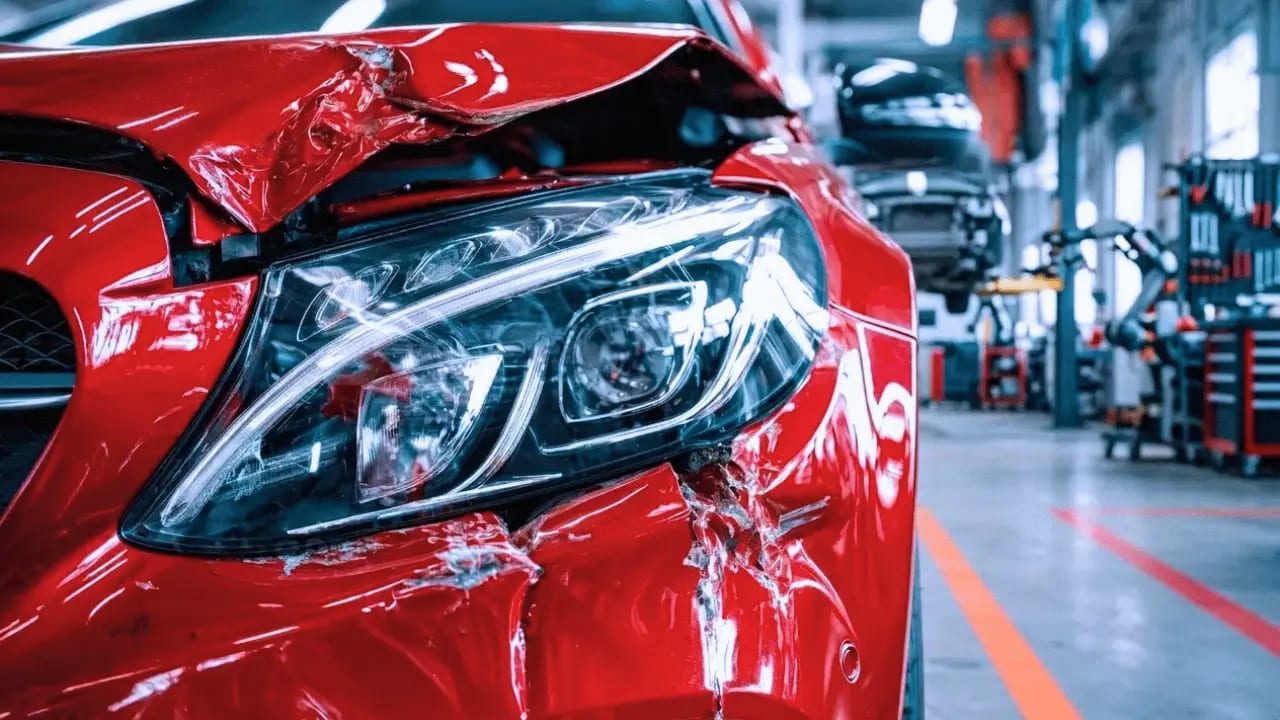
Getting into a car crash is a jarring, stressful experience. One minute you are listening to the radio and thinking about dinner, and the next, you hear the crunch of metal and shattering glass. When the adrenaline spikes and your heart is racing, it can be incredibly difficult to think straight. But the actions you take in the minutes, days, and weeks following a crash make a massive difference in your physical safety, your financial liability, and the ultimate health of your vehicle.
Knowing exactly what to do at the scene of the crash, how to navigate Florida’s tricky insurance claims process, and ultimately, how to find the most reliable auto body shop to bring your vehicle back to its pre-accident condition is essential. This comprehensive guide will walk you through every single step of the process so you can get back on the road safely and with absolute confidence.
Step 1: Secure the Scene and Prioritize Safety
The absolute first priority after any collision is human safety. Everything else—including the condition of your car comes second.
Move to a Safe Location If the accident is relatively minor and the vehicles are still drivable, Florida law requires you to move them out of the flow of traffic. Pull over to the shoulder, a nearby parking lot, or a side street. Leaving cars in the middle of a busy Miami intersection is incredibly dangerous and can easily lead to a secondary, more severe collision.
Check for Injuries and Call 911 Take a deep breath and check yourself for injuries. Then, check on your passengers, and if it is safe to do so, check on the occupants of the other vehicle. Even if the accident seems minor, it is always a good idea to call 911. A police report is an invaluable piece of documentation when dealing with insurance companies later. Furthermore, some injuries, like whiplash or internal bruising, might not show symptoms immediately due to the adrenaline pumping through your system. Having emergency medical personnel check you out is the smartest move you can make.
Make Yourself Visible Turn on your hazard lights immediately. If you have them in your trunk, set up emergency flares or reflective triangles a few dozen yards behind your vehicle to warn oncoming traffic.
Step 2: Document Everything (The Right Way)
Once you are in a safe spot and the authorities have been called, it is time to start gathering evidence. In the modern era, your smartphone is your best friend at an accident scene.
Take Extensive Photos and Videos Do not just take one wide shot of the cars and call it a day. You need to document the scene thoroughly.
- Take photos of the vehicles from multiple angles, showing the overall positioning.
- Get close-up shots of the specific damage on both your car and the other driver’s car.
- Photograph the license plates of all vehicles involved.
- Take pictures of the surrounding environment: street signs, traffic lights, skid marks on the road, and any debris that may have fallen off the vehicles.
- A quick video walking around the scene narrating what happened can also be incredibly helpful later when your memory starts to fade.
Exchange Information You need to swap details with the other driver. Make sure you get their full name, phone number, address, insurance company name, policy number, and driver’s license number. A quick trick is to simply ask if you can take a picture of their driver’s license and insurance card with your phone to ensure you get the numbers exactly right.
Keep Your Words to Yourself This is a critical rule: Never admit fault at the scene of the accident. Even a polite “I am so sorry, I didn’t see you” can be twisted by an insurance adjuster later to deny your claim. Stick strictly to the facts when talking to the other driver and the police. Let the authorities and the insurance companies determine the legal fault based on the evidence.
Step 3: Navigating Insurance and Your Right to Choose
Florida operates under a “no-fault” auto insurance system, which primarily dictates how medical bills are paid through Personal Injury Protection (PIP). However, when it comes to fixing the mangled metal of your car, things are a bit different. Depending on who is at fault, either your collision coverage or the at-fault driver’s property damage liability will pay for the repairs.
When you report the claim, your insurance company might try to push you toward one of their “direct repair network” shops. The adjuster might say things like, “If you go to our preferred shop, we can guarantee the work, but if you go out of network, you are on your own.”
Don’t let this intimidate you.
By law, you have the absolute right to choose the auto body shop that repairs your vehicle. Insurance preferred shops often operate under strict agreements with the insurance companies to keep costs as low as possible. Sometimes, this means they are pressured to use aftermarket parts rather than Original Equipment Manufacturer (OEM) parts, or to rush through repairs to meet quotas.
You want a shop that works for you, not for the insurance company. You want a team that prioritizes the structural integrity and aesthetic perfection of your car over an insurance adjuster’s bottom line.
Step 4: What to Look for in a Miami Collision Repair Center
So, you have the legal right to pick your shop. How do you find the right one in a sprawling city like Miami? You need a facility that offers comprehensive collision repair miami residents can actually trust. Here is exactly what you need to evaluate before handing over your keys.
- Transparency and Communication A reputable shop will never hide the ball. They should be willing to walk you through the entire estimate, line by line, explaining exactly what needs to be fixed, what parts will be used, and how many labor hours it will take. If a shop manager gives you a vague price and dodges your questions, walk away immediately.
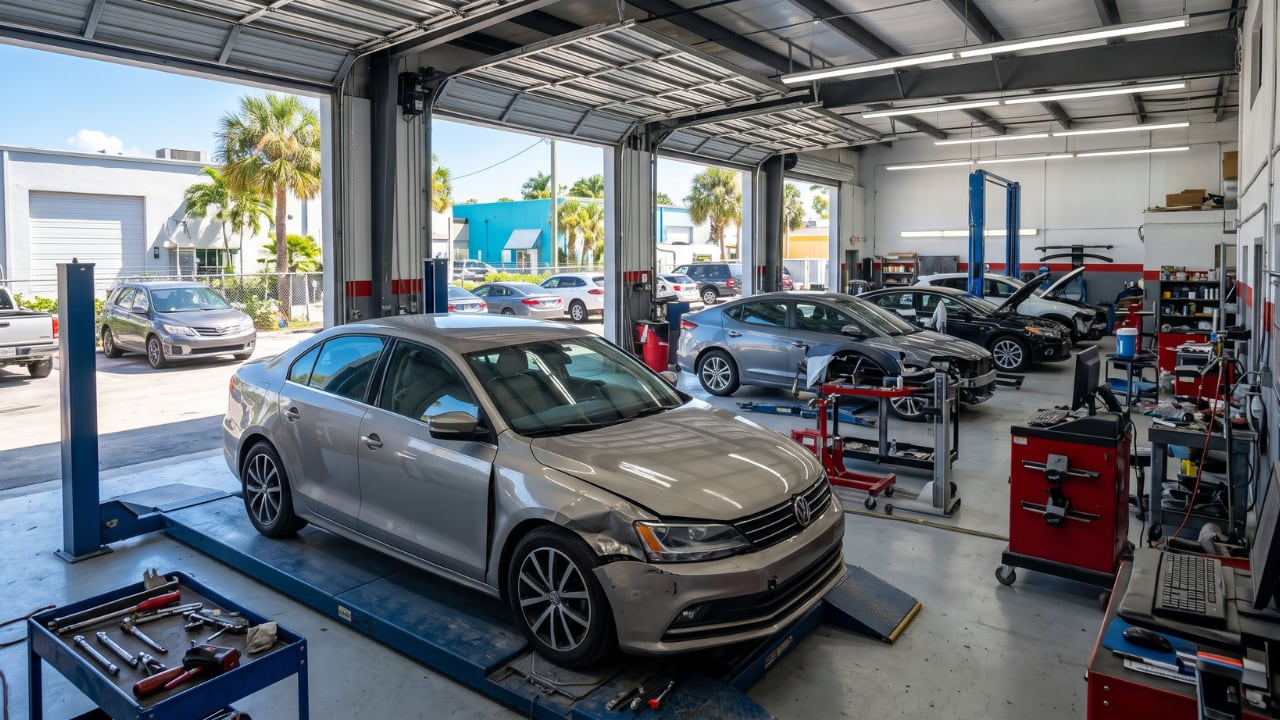
- Modern Equipment and Technology Vehicles today are essentially rolling computers wrapped in advanced, high-strength steel and aluminum alloys. Fixing them requires highly specialized equipment. Ask the shop about their technology. Do they have computerized measuring systems? Do they use modern paint booths that bake the finish on to factory standards?
- Specialized Expertise You want a shop that does more than just hammer out dents. Look for a business that understands automotive aesthetics deeply. A shop that handles custom work alongside standard collision repair is often a fantastic choice because their technicians have a highly refined eye for detail and perfection. They know how to make a car look better than new, which translates perfectly into seamless accident repair.
Step 5: Inside the Repair Process: What Happens to Your Car?
Understanding what goes on behind the garage doors can ease a lot of your anxiety. High-quality car accident body repair is a multi-phased, highly technical process. Here is what a top-tier facility will do once they take possession of your damaged vehicle.
Teardown and Discovery
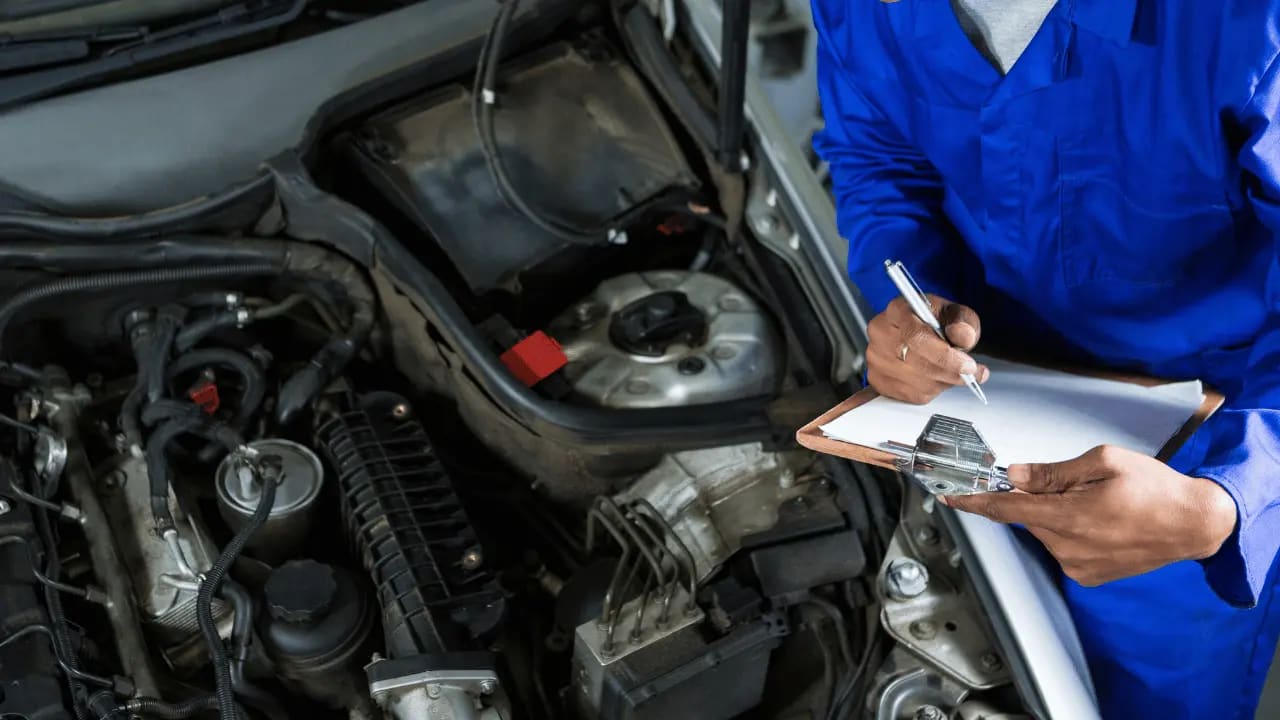
An initial visual estimate is rarely the final word. The true extent of accident damage is often hidden behind bumpers, quarter panels, and splash guards. The first real step of repair is the teardown, where technicians carefully dismantle the damaged area of the vehicle. This exposes hidden structural damage, broken clips, bent brackets, and cracked sensors that the insurance adjuster missed on the street. A supplemental claim is then filed with the insurance company to ensure every single broken piece is covered.
The Foundation: Vehicle Frame Straightening
If you were in a moderate to severe impact, there is a high probability that the underlying structure of your car was compromised. Your car’s frame is designed to absorb impact to protect you, but once it bends, the vehicle is fundamentally unsafe to drive until it is properly realigned.
Professional vehicle frame straightening is a mix of heavy-duty hydraulics and precise computer science. The shop will mount your car on a specialized frame machine. Using laser measuring tools or computerized sonic measuring systems, technicians map the current state of your frame against the manufacturer’s exact factory specifications. Hydraulic towers then pull the high-strength steel back into its precise original position, often down to the millimeter. If this step is skipped or done poorly, your car will never drive straight again, your tires will wear out unevenly, and the vehicle will not protect you properly in a future crash.
Panel Repair and Auto Dent Removal
Once the skeleton of the car is perfectly straight, attention turns to the skin. Depending on the severity of the damage, panels will either be repaired or completely replaced.
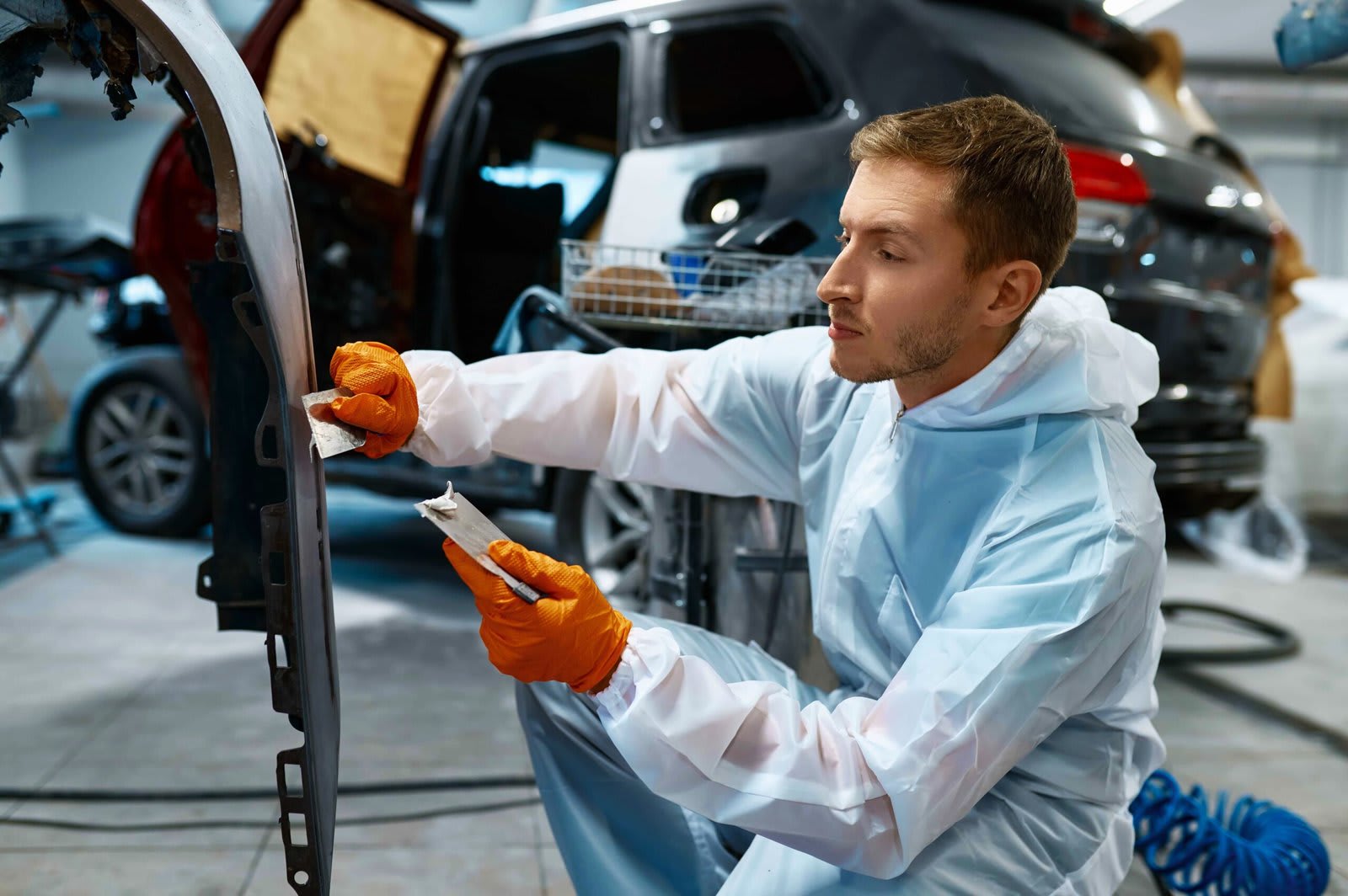
For smaller impacts, professional auto dent removal techniques are utilized. If the paint hasn’t been scratched or cracked, technicians might use Paintless Dent Repair (PDR). This involves using specialized metal rods and picks to massage the dent out from the inside of the panel, perfectly restoring the shape without needing a drop of body filler or new paint.
For deeper damage where the paint is compromised, the metal is pulled and shaped, filled, sanded, and primed to create a perfectly smooth surface that is completely indistinguishable from a brand-new factory panel.
The Art of Color Matching and Refinishing
Miami sunshine is brutal on car paint, meaning a five-year-old car’s paint has faded slightly from its original factory code. A cheap auto body shop will just order the factory color, spray it, and leave you with a door that clearly looks different from the rest of the car.
A premium shop treats painting as an exact science. They use spectrophotometers (specialized cameras) to scan the current, slightly faded color of your adjacent panels. They then mix a custom batch of paint in-house to match the current state of your car, not the day it rolled off the assembly line. The paint is applied in a climate-controlled, dust-free downdraft booth, followed by multiple layers of clear coat, and finally, it is baked to cure. The new paint is then blended into the adjacent panels so the human eye cannot detect where the old paint ends and the new paint begins.
Reassembly and Final Quality Control
Finally, the car is put back together. Airbags are reset, advanced driver-assistance systems (ADAS) like lane-departure cameras and blind-spot monitors are carefully recalibrated, and the interior is cleaned. A senior technician will take the car for a test drive to ensure there are no rattles, pulling, or weird noises. Only when the car passes a rigorous multi-point inspection is it returned to you.
Why Pride Car Customizing Auto Body Shop Miami is Your Best Choice
When you have been in an accident, you don’t just need a mechanic; you need a partner who will advocate for you, deal with the insurance headaches, and treat your vehicle as if it were their own. That is exactly what you get at Pride Car Customizing Auto Body Shop Miami.
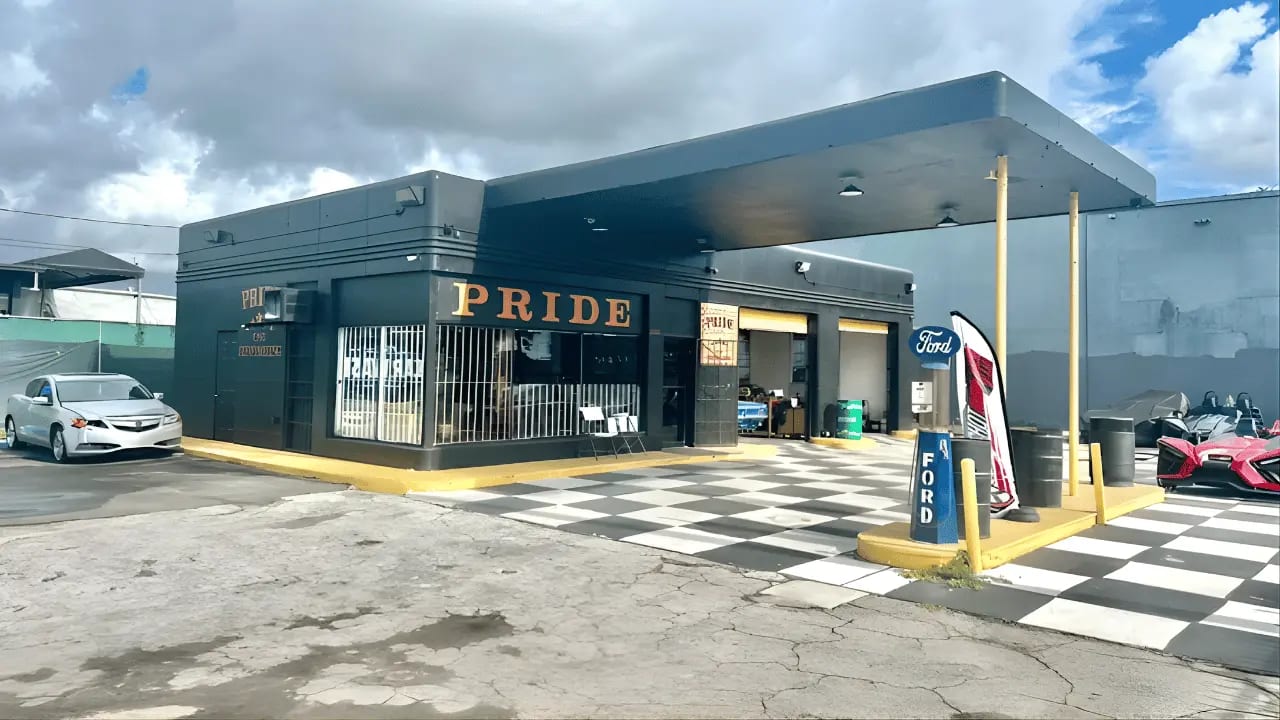
Conveniently located in the heart of the city at 2400 NW 7th Ave, Miami, FL 33127, Pride Car Customizing isn’t your average collision center. Because our roots are deeply embedded in high-end car customizing, our technicians possess an obsessive level of attention to detail that standard repair shops simply cannot match. We know that close enough is never good enough.
Here is why Miami drivers trust us with their vehicles after a crash:
- We Advocate for You: We work with all major insurance companies, but we work for you. We handle the frustrating paperwork, fight for the OEM parts your car deserves, and ensure the insurance company doesn’t cut corners on your repair.
- Complete Restoration Services: From minor bumper scuffs to major structural vehicle frame straightening, our facility is equipped with the latest automotive repair technology to handle any level of damage.
- Flawless Paint Matches: Our color-matching technology and state-of-the-art paint booths ensure that whether you drive a standard sedan or a custom-painted luxury coupe, the repair will be entirely invisible.
- Aesthetic Perfection: Because we specialize in custom bodywork and styling, our standard for auto dent removal and car accident body repair is absolute perfection. We ensure panel gaps are perfectly even, the clear coat is like glass, and the car leaves our lot looking better than before the accident.
Get Back on the Road with Confidence
An accident disrupts your life, but the repair process shouldn’t have to. You deserve a stress-free experience, transparent pricing, and unparalleled craftsmanship. Don’t let an insurance company bully you into taking your car to a subpar facility. Exercise your right to choose the best.
If you have been in a collision in South Florida, make your first call to the experts who care about the art of automotive repair. Bring your vehicle to Pride Car Customizing Auto Body Shop Miami at 2400 NW 7th Ave, Miami, FL 33127. Stop by our shop for a thorough, honest estimate, and let our master technicians take the stress out of your collision repair. Your car took care of you during the crash; now let us take care of your car.
Need help with this on your car?
Our auto body shop team in Miami can look at your car and give you a free, written estimate.